
"Costa Rica exports"
300 article(s) found

San Romano Costa Rica, Costa Rica, California
Costa Ricans say coffee has changed the country and made it possible to enjoy a rich environment.Although Costa Rica ranks third from the bottom of the Central American landmass, its economic environment is better than half of that of other countries.Because of its rich people and stable society, Costa Rica has the spare time to care about environmental issues.

Introduction to the characteristics of boutique coffee bean flavor producing areas in Costa Rica Coffee Goddess Manor
Coffee was introduced into Costa Rica from Cuba in 1729. Today, its coffee industry is one of the well-organized industries in the world, with a yield of 1700 kg per hectare. Costa Rica has only 3.5 million people but 400m coffee trees, and coffee exports account for 25 per cent of the country's total exports. The volcanic soil of Costa Rica is very fertile and well drained, especially in the central part.

Introduction to the unique and strong flavor and taste characteristics of Costa Rican coffee manor
Coffee was introduced into Costa Rica from Cuba in 1729. Today, its coffee industry is one of the well-organized industries in the world, with a yield of 1700 kg per hectare. Costa Rica has only 3.5 million people but 400m coffee trees, and coffee exports account for 25 per cent of the country's total exports. The volcanic soil of Costa Rica is very fertile and well drained, especially in the central part.

Introduction to the characteristics of Coffee Flavor description and Grinding degree varieties in Costa Rica Yersalo Coffee
Coffee was introduced into Costa Rica from Cuba in 1729. Today, its coffee industry is one of the well-organized industries in the world, with a yield of 1700 kg per hectare. Costa Rica has only 3.5 million people but 400m coffee trees, and coffee exports account for 25 per cent of the country's total exports. The volcanic soil of Costa Rica is very fertile and well drained, especially in the central part.

The current situation of Costa Rican coffee market Costa Rica coffee production
Coffee exports account for 25% of Costa Rica's total exports. Costa Rica has also benefited from the establishment of the Central American Institute for Agricultural Research (TurrialbaoftheCentralAmericanAgriculturalResearchlnstitute, referred to as IAAC) in Tarasu, which is an important international research centre. Costa Rica's coffee industry was originally owned by the Costa Rican coffee industry.

Introduction to the description of the flavor of high-quality coffee beans in Costa Rican coffee producing areas
Tarrazu in Costa Rica is one of the major coffee producing areas in the world. The coffee produced is light and pure in flavor and pleasant in aroma. Costa Rica, with its fertile volcanic soil and good drainage, is the first country in Central America to grow coffee and bananas for commercial value. Coffee and bananas are the country's main exports. In 1729, coffee was introduced from Cuba to Goth.

Costa Rican Coffee Phoenix Manor Flavor Taste Features Boutique Coffee Introduction
The Supreme Court is the highest judicial body and consists of 22 judges elected for an eight-year term. At the end of the term, if there is no objection from two-thirds of the members of the Parliament, it can be automatically re-elected. There are four courts, the first, second and third courts each composed of five judges, and the fourth court (Constitutional Court) composed of seven judges, which has the final interpretation of the Constitution. The Chancellor of Justice is appointed by the Legislative Assembly for a renewable term of eight years. highest

Description of Flavor of Fine Coffee beans in Saint Roman Manor, Costa Rica
Tarrazu in Costa Rica is one of the major coffee producing areas in the world. The coffee produced is light and pure in flavor and pleasant in aroma. Costa Rica, with its fertile volcanic soil and good drainage, is the first country in Central America to grow coffee and bananas for commercial value. Coffee and bananas are the country's main exports. In 1729, coffee was introduced from Cuba to Goth.

Introduction of Coffee Bean Variety and characteristics of Fine Coffee Bean in Fire Phoenix Manor, Costa Rica
Coffee was introduced into Costa Rica from Cuba in 1729. Today, its coffee industry is one of the well-organized industries in the world, with a yield of 1700 kg per hectare. Costa Rica has only 3.5 million people but 400m coffee trees, and coffee exports account for 25 per cent of the country's total exports. The volcanic soil of Costa Rica is very fertile and well drained, especially in the central part.

An introduction to the coffee flavor and taste of the rich and mild Chateau Saint Roman, Costa Rica.
Coffee was introduced into Costa Rica from Cuba in 1729. Today, its coffee industry is one of the well-organized industries in the world, with a yield of 1700 kg per hectare. Costa Rica has only 3.5 million people but 400m coffee trees, and coffee exports account for 25 per cent of the country's total exports. The volcanic soil of Costa Rica is very fertile and well drained, especially in the central part.

Costa Rica San Roman Coffee Flavor Description Processing Grind Characteristics Variety Introduction
Coffee is an important source of income for Costa Rica, introduced in 1808 and cultivated for 200 years. Costa Rica has a third of the population invested in new villa sarchi, new villa sarchi, coffee-related industries, Costa Ricans say coffee has changed the country, can enjoy a rich environment, coffee does contribute significantly; although Costa Rica's country

Introduction to the characteristics of the taste manor of Costa Rican boutique coffee
Costa Rica's economy, mainly tourism, agriculture and exports of electronic components, has grown rapidly since the recession in 1997. Costa Rica is located in the strip of Central America and in the center of the Americas. It has direct access to Eurasia and has easy access to the American market.

Introduction to the characteristics and taste of coffee flavor varieties in Costa Rica Goddess Manor
Tarrazu in Costa Rica is one of the major coffee producing areas in the world. The coffee produced is light and pure in flavor and pleasant in aroma. Costa Rica, with its fertile volcanic soil and good drainage, is the first country in Central America to grow coffee and bananas for commercial value. Coffee and bananas are the country's main exports. In 1729, coffee was introduced from Cuba to Goth.

Light and pure sweet Costa Rican Tara beads boutique coffee beans origin development history and culture brief introduction
Coffee was introduced to Costa Rica from Cuba in 1729, and today its coffee industry is one of the most well-organized in the world, producing up to 1700 kilograms per hectare. Costa Rica has a population of 3.5 million, but coffee trees number 400 million, and coffee exports account for 25% of the country's total exports. The volcanic soils of Costa Rica are very fertile and well drained, especially in the central part.

Introduction to the unique and strong aroma of Costa Rican Fenghuang Manor Coffee Grinding degree
Coffee was introduced into Costa Rica from Cuba in 1729. Today, its coffee industry is one of the well-organized industries in the world, with a yield of 1700 kg per hectare. Costa Rica has only 3.5 million people but 400m coffee trees, and coffee exports account for 25 per cent of the country's total exports. The volcanic soil of Costa Rica is very fertile and well drained, especially in the central part.

Costa Rican coffee Costa Rican coffee flavor Costa Rican origin
The coffee beans produced in the high latitudes of Costa Rica are famous in the world, full-bodied, mild in taste, but extremely sour. The coffee beans here have been carefully processed, which is why they have high-quality coffee. Tarasu, located in the south of SanJos, the capital of Costa Rica, is one of the most valued coffee growers in the country. Tarasu (

Introduction to the Export and cultivation of Costa Rican Coffee
Coffee was introduced into Costa Rica from Cuba in 1729. Today, its coffee industry is one of the well-organized industries in the world, with a yield of 1700 kg per hectare. Costa Rica has only 3.5 million people but 400m coffee trees, and coffee exports account for 25 per cent of the country's total exports. The volcanic soil of Costa Rica is very fertile and well drained, especially in the central part.

Costa Rica's historical coffee industry develops coffee bean export volume
Costa Rica lies between the Pacific Ocean and the Atlantic Ocean, with Nicaragua in the south and Panama in the north. Flowers bloom and butterflies dance all the year round. Its coffee beans are famous for their mild taste, high acidity, aroma and rich texture, so they are favored by coffee tasters. It is said that in 1779, Spanish navigator Navarro brought coffee seeds from Cuba to
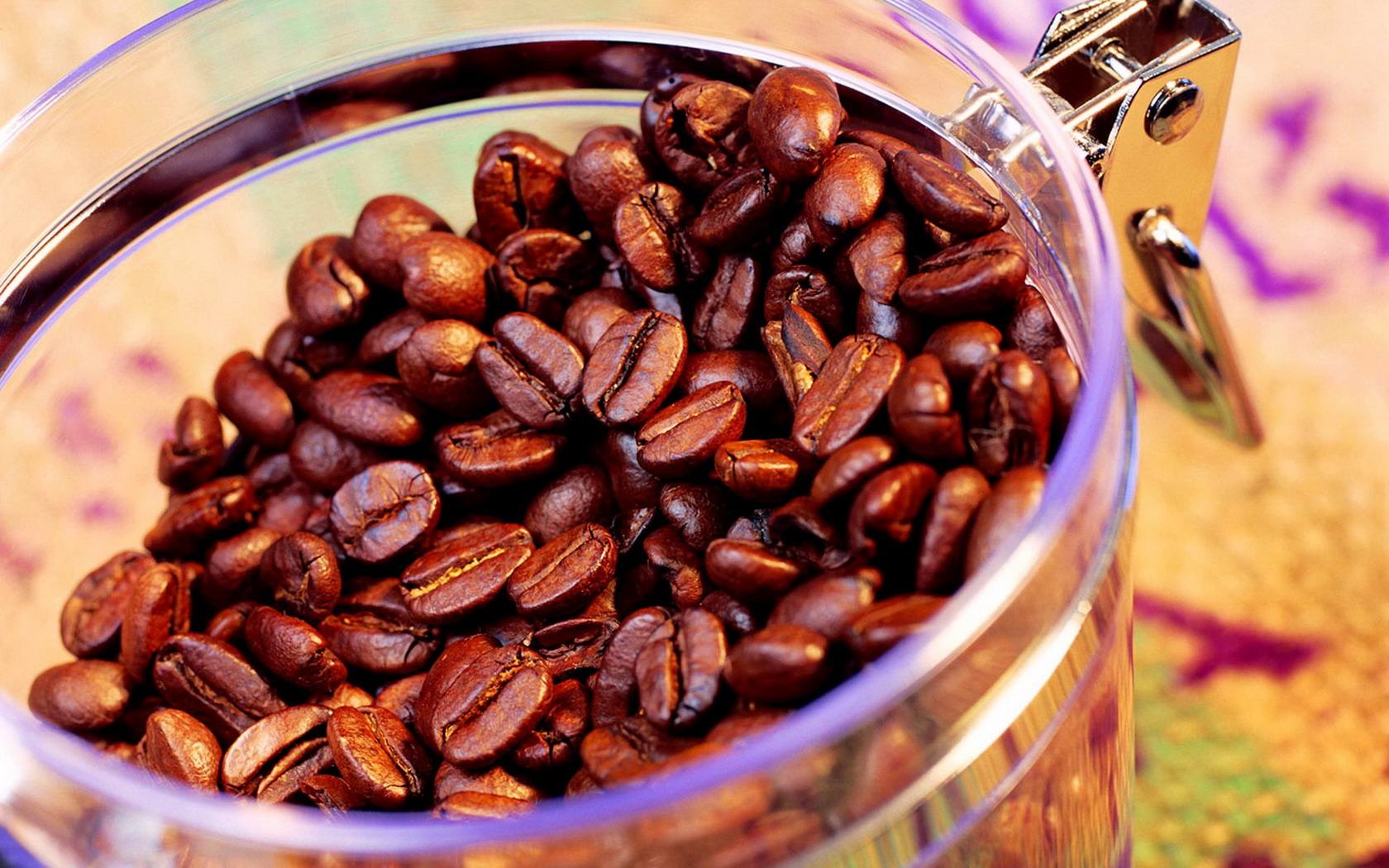
Costa Rican coffee producing area, Costa Rican coffee introduction
Following Caf é (official Wechat account vdailycom) found that the Cafe Beautiful opened a small shop of its own, coffee was introduced from Cuba to Costa Rica in 1729, and today its coffee industry is one of the well-organized industries in the world, producing 1700 kg per hectare. Costa Rica has a population of only 3.5 million, but there are as many as 400 million coffee trees, and coffee exports account for the majority of the country's coffee exports.

Costa Rican Coffee varieties with strong Flavor introduction to Fine Coffee
In 1729, coffee was introduced into Costa Rica from Cuba. Today, its coffee industry is one of the well-organized industries in the world, with an output of 1700 kg per hectare. Costa Rica has only 3.5 million people but 400m coffee trees, and coffee exports account for 25 per cent of the country's total exports. The volcanic soil of Costa Rica is very fertile and has good drainage.